"Low Profile" Key Stems
Making prototype "low profile" key stems for gateron switch housings.
A while ago I built a Lily58 and it’s great. I put Gateron clears in it and they’re my favorite switch I’ve used.
Despite loving this keyboard and it’s switches, it still bothers my wrists after extended use which is what I originally built it to try and fix. My next attempt to improve comfort of this keyboard was to buy low profile switches. Since I had Gaterons in there already I saw they had Gateron Low-Profile switches so I bought some of those thinking they would fit the same sockets but they sure don’t! That was a bit unfortunate. I’ll have to build another keyboard at some point I guess.
I still wanted to lower the height of the board but I couldn’t justify buying a whole other PCB and surface mount components due to cost so I decided to try making a custom key stem that lowers the height of the switches.
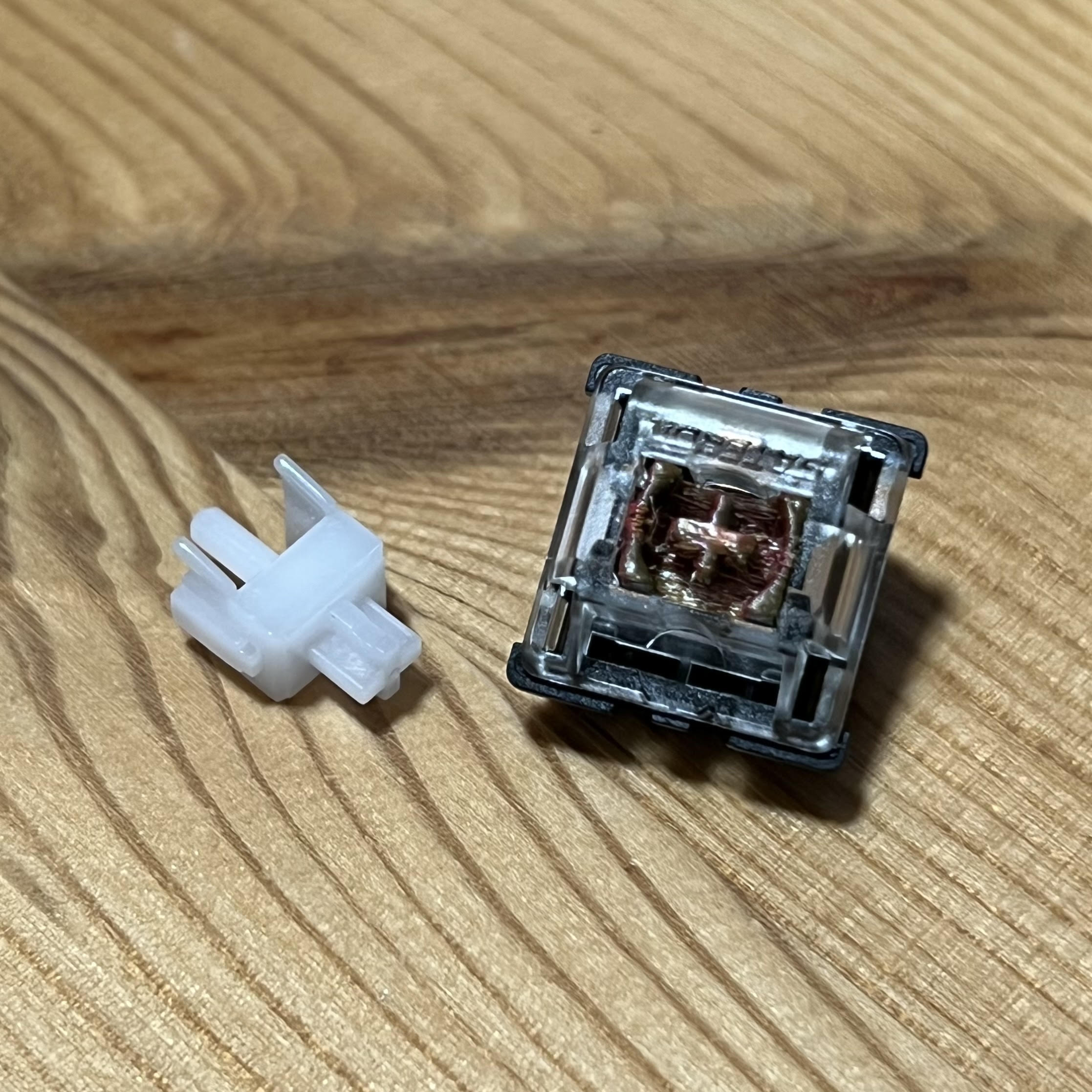
Here is the result of that prototyping:
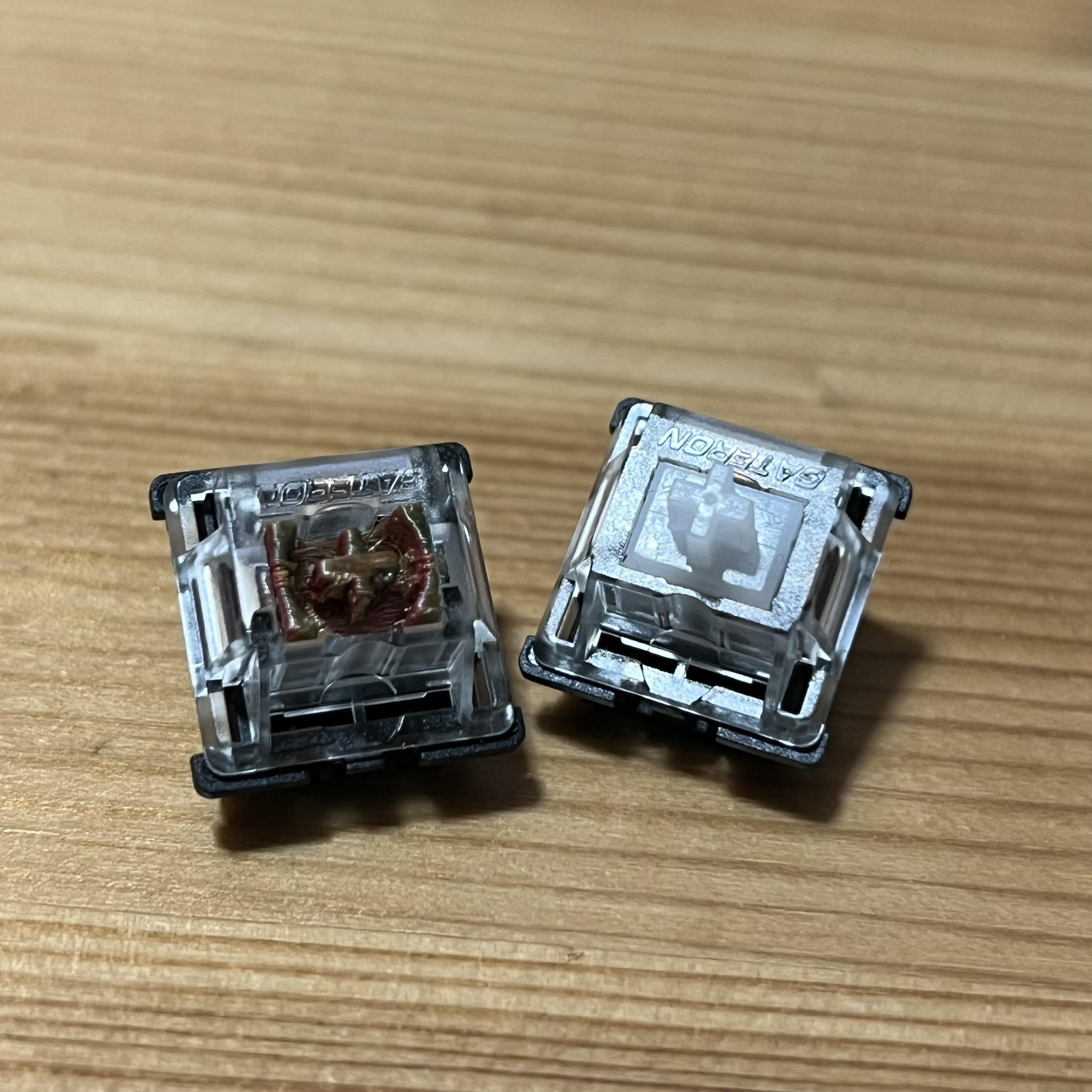
I originally intended to keep the actuation point of the switches the same as the clears because I like the way they feel but that didn’t make much difference in the height of the switches at all so I ended up modifying the switch geometry as well. They are still linear but they now only have a 1 mm actuation point and roughly 1.5 mm of key travel iirc. I took notes during the prototyping process which you can find here.
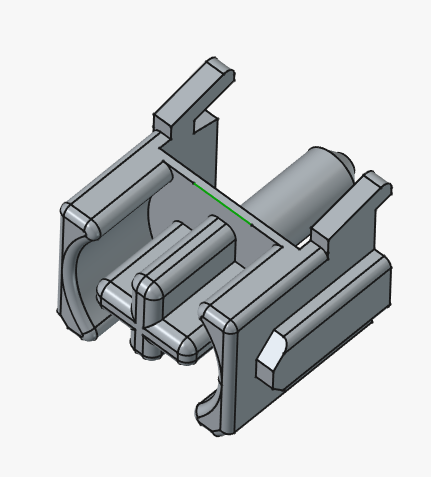
The cad was pretty simple though the model is tailored toward FDM printing so it will require modification before testing in something like resin. I was not able to get satisfactory quality without supports but more crucially without manual cleanup of the parts after printing. You can see here that there is stringing on the part and also the switch legs are… I’d say dreadful.
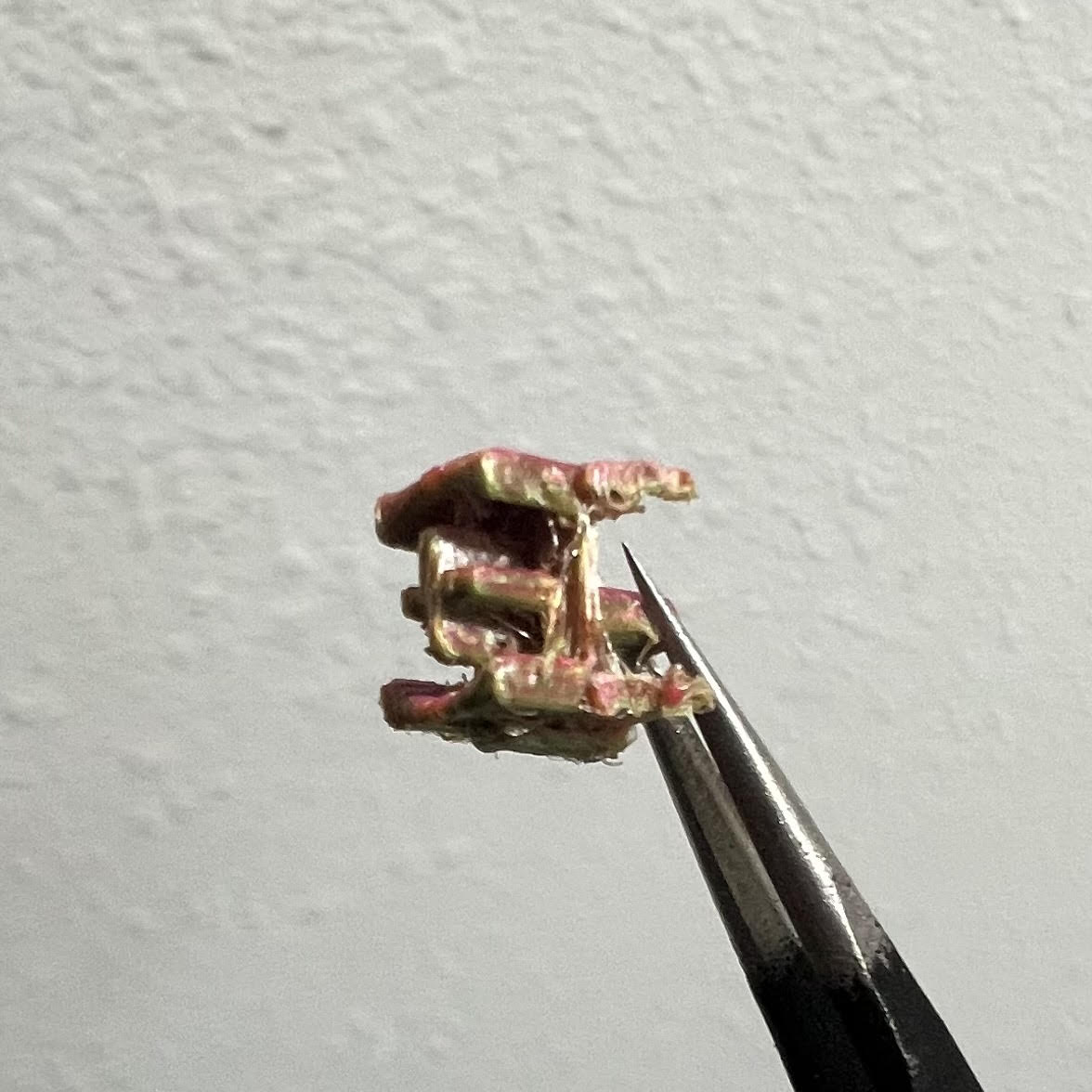
There was also a significant amount of stringing even with high retraction on a direct drive machine. All parts were printed on a Voron 0.2 with a 0.4mm nozzle and a layer height of 0.1 mm.
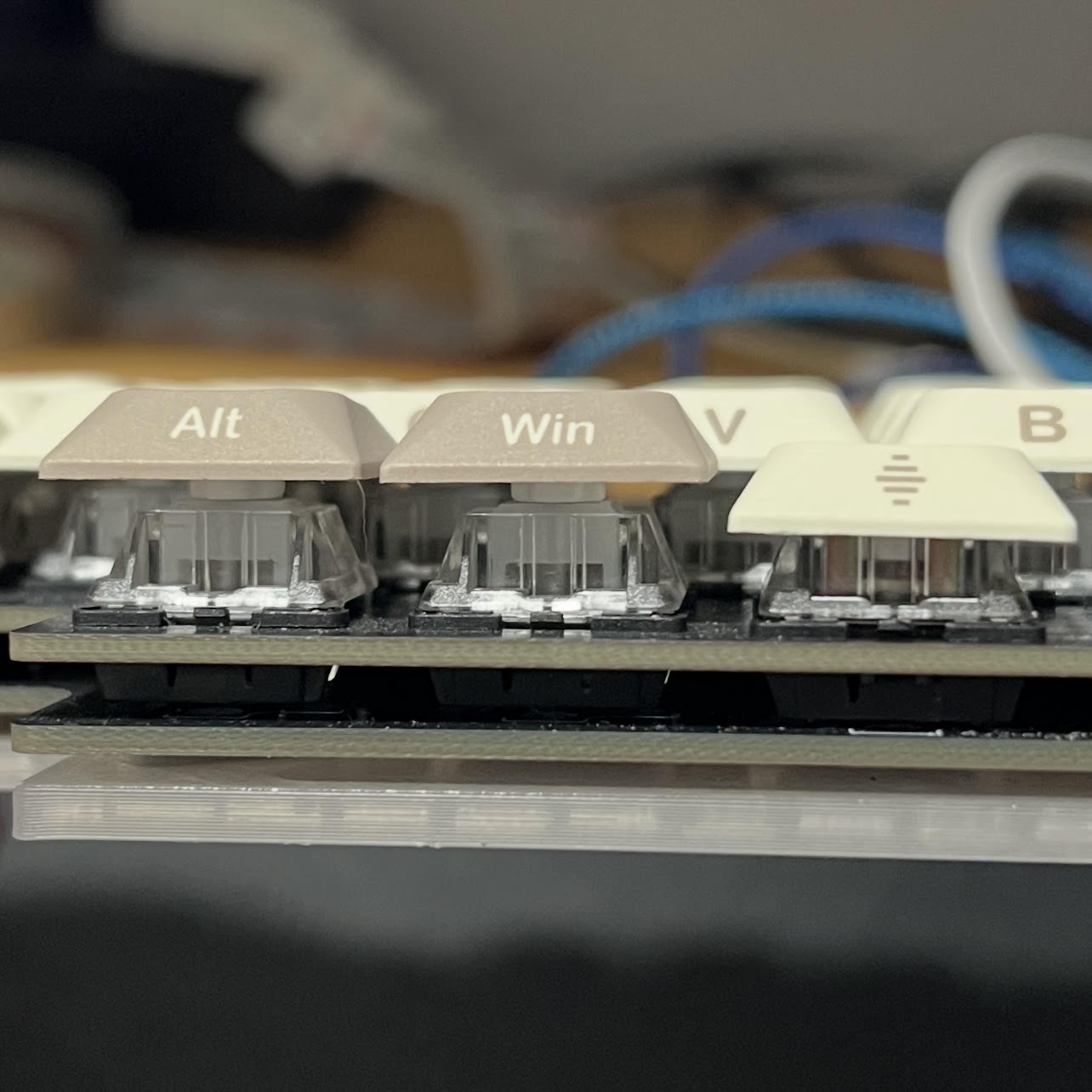
Even with all the issues, this stem geometry did succeed in lowering the height of the switches by a significant amount. It could probably be pushed a little further, but you’d get much more significant gains if you were also able to modify the top half of the switch housing, but that would unfortunately require modifying the leaf which is out of scope for myself.
Conclusion #
I like the results of this prototyping and I will probably continue to tinker with this.
I wouldn’t seriously consider this for a full keyboard without more time investment to make the parts:
- ready to use right off of the machine (support removal allowed, but no sanding or filing)
- no layer lines on the leaf contact surfaces
- better tolerances for minimal switch wobble
Next Steps #
I’ve ordered a 0.2 mm nozzle for my FDM machine, and I’ll be testing out resin once I have access to a machine again.
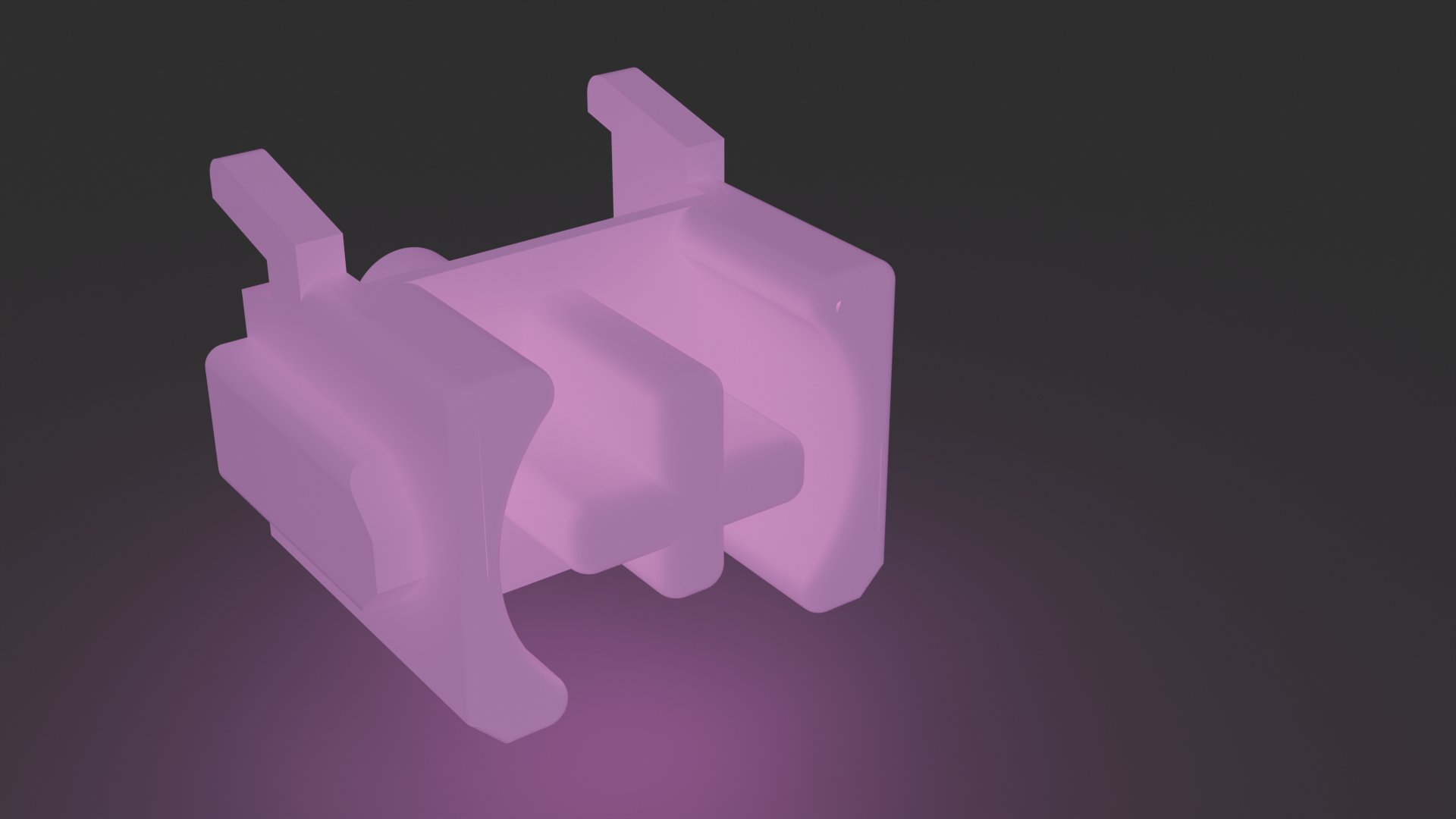
Enjoy this render of a glowing pink key stem.
Have a lovely day o7